
Here’s a direct statement: the majority of people booking em sculpting treatments have a different expectation of the outcome than what the treatment is actually designed to produce. That gap isn’t the patient’s fault — it’s partly a function of how the category has been marketed — but it does mean that understanding what the technology actually does, for whom, and under what conditions is more important than it appears from a first look at clinic websites.
What It Actually Does
Em sculpting uses high-intensity focused electromagnetic energy to induce muscle contractions beyond what voluntary exercise produces. The physiological response to those contractions — muscle fibre remodelling, fat cell apoptosis in the treatment area — is real and documented. The outcome is increased muscle definition and reduced localised fat in the treated region over the weeks following a treatment course.
What it is not: a weight loss treatment, a replacement for a training program, or a solution for body areas with significant excess fat. The technology performs best when it’s adding to an already functional level of fitness — when the person receiving em sculpting treatments is active, reasonably lean, and looking to improve specific areas that don’t respond to training the way they’d like.
The Expectation Problem
The version of em sculpting that underdelivers is the one booked by someone who expects the technology to do the work that lifestyle changes haven’t done. The abdomen of someone who is significantly above their target weight isn’t a great candidate for this treatment — not because the technology doesn’t work, but because it’s working on the wrong layer of the problem.
The version that works is targeted, realistic, and additive. Someone active who wants more definition in the abdomen or glutes, who is close to their target weight, and who books a course of skincare treatment with a qualified practitioner who sets expectations honestly.
The Clinic Selection Question
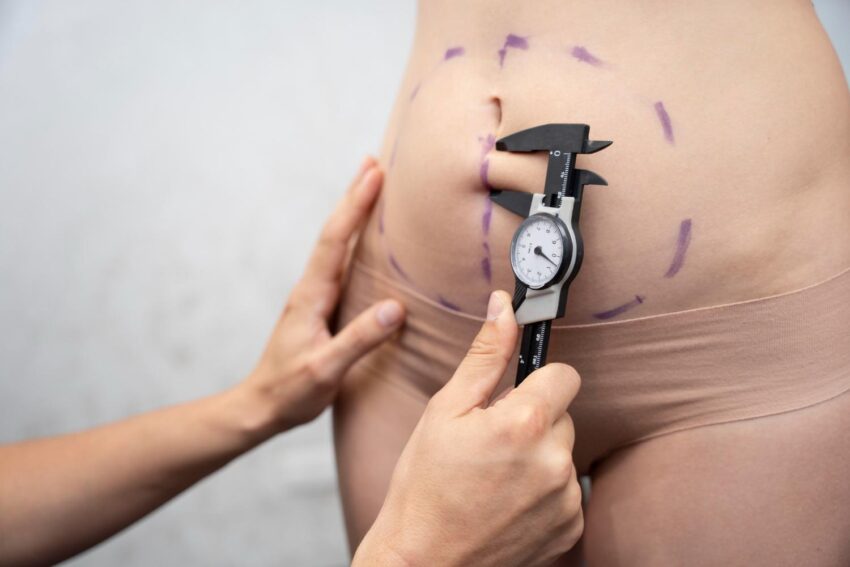
The clinic matters as much as the technology. Em sculpting results vary significantly with practitioner experience, device quality, and whether the treatment protocol is individualised. Clinics that do thorough intake assessments, set specific measurable goals, and use before-and-after measurements rather than subjective reporting tend to produce better outcomes — and more honest ones.
Em sculpting is genuinely effective for the right candidate in the right application. The key is being that candidate — active, realistic about expectations, working with a practitioner who sets measurable goals and tracks against them honestly. Approached that way, the technology delivers what the evidence says it can. Approached as a shortcut to results that training and lifestyle haven’t produced, it will disappoint.