
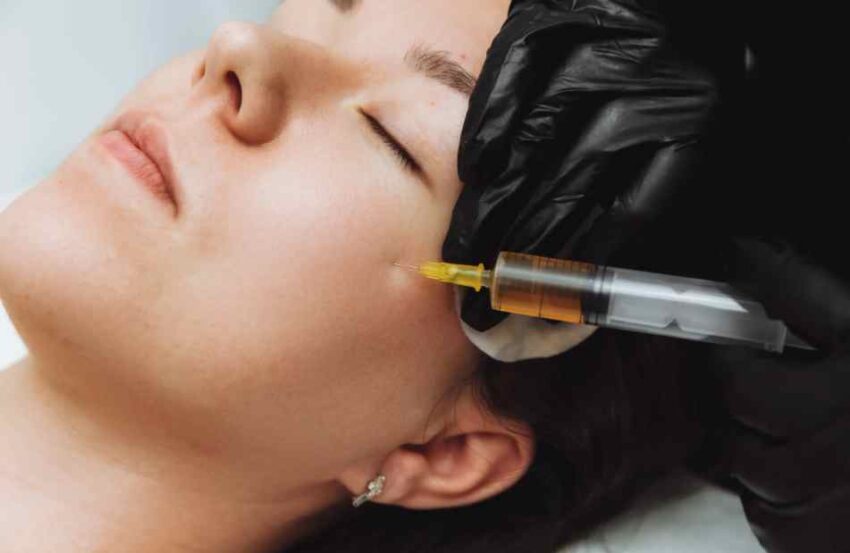
Regenerative aesthetics focuses on utilizing the body’s natural healing abilities to restore damaged tissue, improve skin texture, and rebuild declining structural proteins. Traditional platelet-rich plasma (PRP) therapies have long been used in orthopedics, sports medicine, and dermatology to speed up recovery and encourage tissue repair. However, standard PRP treatments release their growth factors quickly, limiting how long they can actively stimulate surrounding cells.
To overcome these biological limitations, advanced autologous platforms have evolved to extend the release of crucial healing factors. Educational overview documents provided by Purifi IV Nashville highlight how modern gel-extended PRP technologies transform liquid plasma into a supportive protein scaffolding. This scaffold holds concentrated platelets in place, releasing growth factors gradually to rebuild sagging structural matrices and improve overall skin quality over time.
Understanding Platelet-Rich Plasma Physiology
Human blood is composed of four main components: red blood cells, white blood cells, plasma, and platelets. While platelets are best known for stopping bleeding through clot formation, they also act as powerful biological signaling centers during tissue repair.
┌──────────────────────────────────────────────────────────┐
│ Platelet Alpha-Granule Contents │
├──────────────────────────┬───────────────────────────────┤
│ PDGF (Platelet-Derived) │ Stimulates cell growth and │
│ │ new vessel formation. │
├──────────────────────────┼───────────────────────────────┤
│ TGF-Beta (Transforming) │ Signals fibroblasts to produce│
│ │ fresh collagen. │
├──────────────────────────┼───────────────────────────────┤
│ VEGF (Vascular) │ Rebuilds micro-vascular networks│
│ │ to nourish tissue. │
├──────────────────────────┼───────────────────────────────┤
│ EGF (Epidermal) │ Accelerates cell turnover and │
│ │ re-epithelialization. │
└──────────────────────────┴───────────────────────────────┘
When platelets are activated at a site of tissue injury, they release specialized proteins stored within internal structures called alpha-granules. These proteins signal local stem cells and fibroblasts to migrate to the area, build fresh collagen, and repair the damaged extracellular matrix.
Standard PRP vs. Extended-Release PRP Gel
Standard PRP uses a high-speed centrifuge to isolate concentrated platelets in liquid plasma. When injected into skin tissue, standard liquid PRP releases approximately 95% of its stored growth factors within the first hour, meaning its active biological activity ends relatively quickly.
The Evolution of Autologous Scaffolding
Extended-release PRP platforms modify liquid plasma using thermal processing techniques, creating an autologous albumin protein gel matrix:
- Thermal Gelation: Applying heat to platelet-poor plasma denatures and reorganizes human serum albumin proteins, forming a flexible, biological gel matrix.
- Platelet Integration: Concentrated viable platelets are gently mixed back into this newly formed albumin gel scaffold.
- Controlled Growth Factor Release: The dense protein gel holds the platelets in place, releasing active growth factors slowly over days and weeks as the body naturally absorbs the matrix.
- Immediate Structural Support: Unlike thin liquid PRP, the dense biological gel offers immediate, soft structural support to restore lost volume in sunken areas.
Clinical Applications in Aesthetic Skin Rejuvenation
Extended-release autologous gels provide both immediate subtle volume support and long-term structural tissue renewal, making them versatile options for delicate treatment zones.
Tear Trough and Under-Eye Rejuvenation
The skin under the eyes is exceptionally thin and prone to early structural hollows, dark shadows, and fine lines. Traditional synthetic dermal fillers can sometimes absorb excess water or create a visible bluish tint (the Tyndall effect) in this thin area. Autologous PRP gel integrates smoothly with delicate under-eye tissue, encouraging natural dermal thickening without artificial puffiness.
Facial Volume Loss and Wrinkle Smoothing
As facial fat pads shrink with age, deep folds develop around the mouth, cheeks, and jawline. Injecting extended-release autologous gel restores soft, natural volume while constantly delivering growth factors to rebuild declining collagen networks from within.
Neck and Lower Face Rejuvenation
Horizontal neck lines and crepiness respond well to long-term growth factor exposure. Extended-release PRP strengthens the thin dermal layer of the neck, improving tissue elasticity, smoothing surface texture, and restoring firmness over time.
What to Expect During an Autologous PRP Gel Procedure
Because autologous treatments utilize your body’s own biological material, the procedure is biocompatible, carrying virtually zero risk of allergic reactions or rejection.
┌──────────────────────────────────────────────────────────┐
│ Autologous Gel Workflow │
├──────────────────────────────────────────────────────────┤
│ Step 1: Autologous Blood Collection │
│ ↓ │
│ Step 2: Centrifugation (Separates plasma & platelets) │
│ ↓ │
│ Step 3: Thermal Scaffolding Processing │
│ ↓ │
│ Step 4: Re-mixing Active Platelet Concentrate │
│ ↓ │
│ Step 5: Precision Injections into Target Tissue │
└──────────────────────────────────────────────────────────┘
Blood Draw and Processing
The procedure begins with a standard blood draw from your arm. The sample is placed in a specialized centrifuge that spins it at precise speeds to separate light red blood cells from concentrated plasma and platelets.
Gel Preparation
The isolated plasma undergoes controlled thermal processing to create the supportive albumin gel scaffold, which is then blended with concentrated platelets to produce a smooth, injectable autologous matrix.
Targeted Injection
After applying a topical numbing cream to ensure comfort, the practitioner uses delicate needles or blunted micro-cannulas to place the autologous gel into specific dermal and subcutaneous layers. The appointment typically takes between 45 and 60 minutes from start to finish.
Post-Care and Results Timeline
- Days 1 to 3: Expect mild local swelling, light redness, or minor bruising around injection sites, all of which fade quickly.
- Weeks 2 to 4: The autologous gel provides smooth, immediate volume while platelets actively release growth factors into the surrounding tissue.
- Months 2 to 6: As your body naturally absorbs the protein gel matrix, newly synthesized collagen and elastin fibers replace it, delivering long-lasting improvements in skin texture, firmness, and tone.
By harnessing your body’s natural cellular signaling mechanisms, extended-release autologous PRP gel protocols offer a safe, science-backed approach to skin rejuvenation, helping rebuild structural collagen and restore youthful skin vitality from the inside out.